Wandering Monck
Preparing your adventure...
Join me on expeditions into the wilderness where nature becomes the ultimate therapist. Because #ItsOkayNotToBeOkay, and sometimes the best medicine is fresh air and open skies.
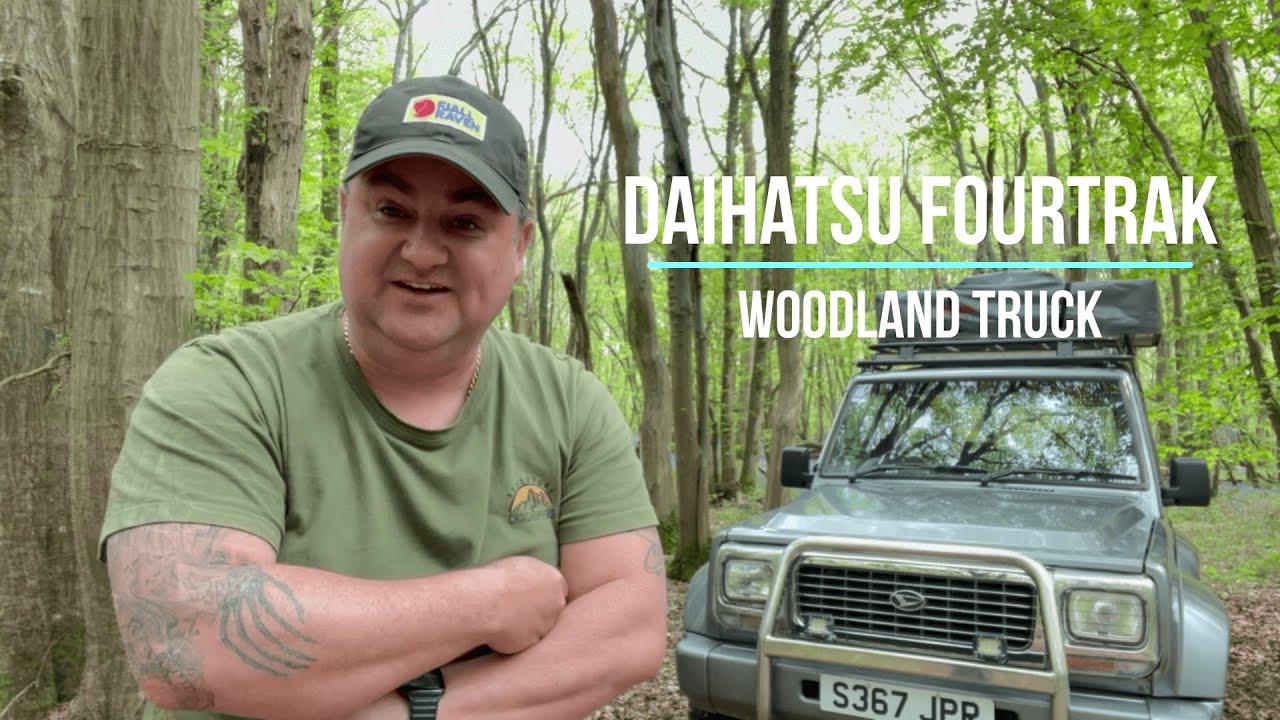
Explore AdventuresI'm Paul, a wild camping enthusiast and mental health advocate. What began as simple escapes to the woods transformed into a powerful form of therapy and self-discovery.
Through my adventures with Luci the Land Rover, I've learned that nature doesn't judge. The wilderness accepts us as we are - broken, healing, or somewhere in between.
This platform shares my journey, from gear reviews to mental health reflections, all centered around the healing power of wild places.
#ItsOkayNotToBeOkay is more than a tagline - it's permission to be human.
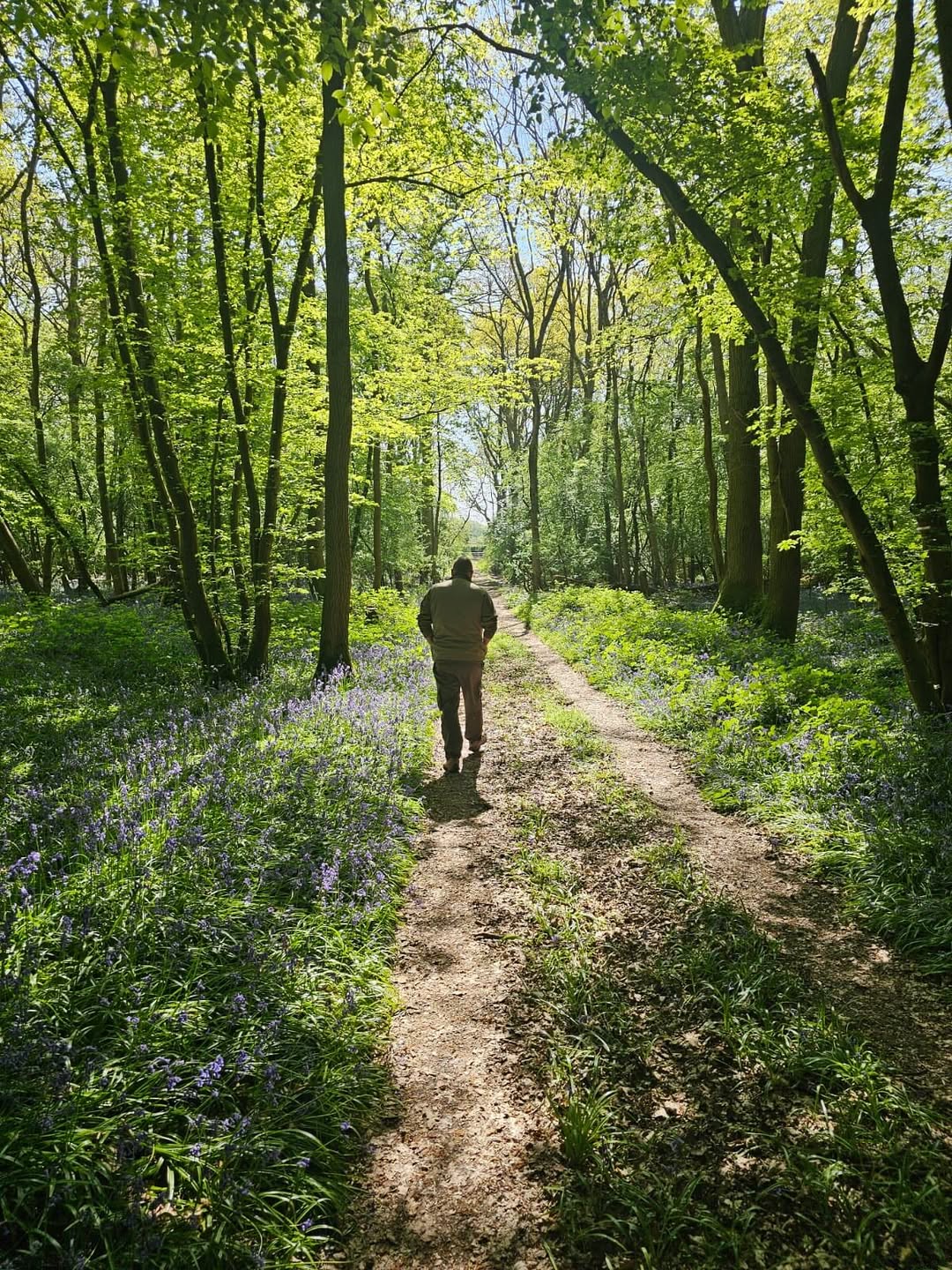
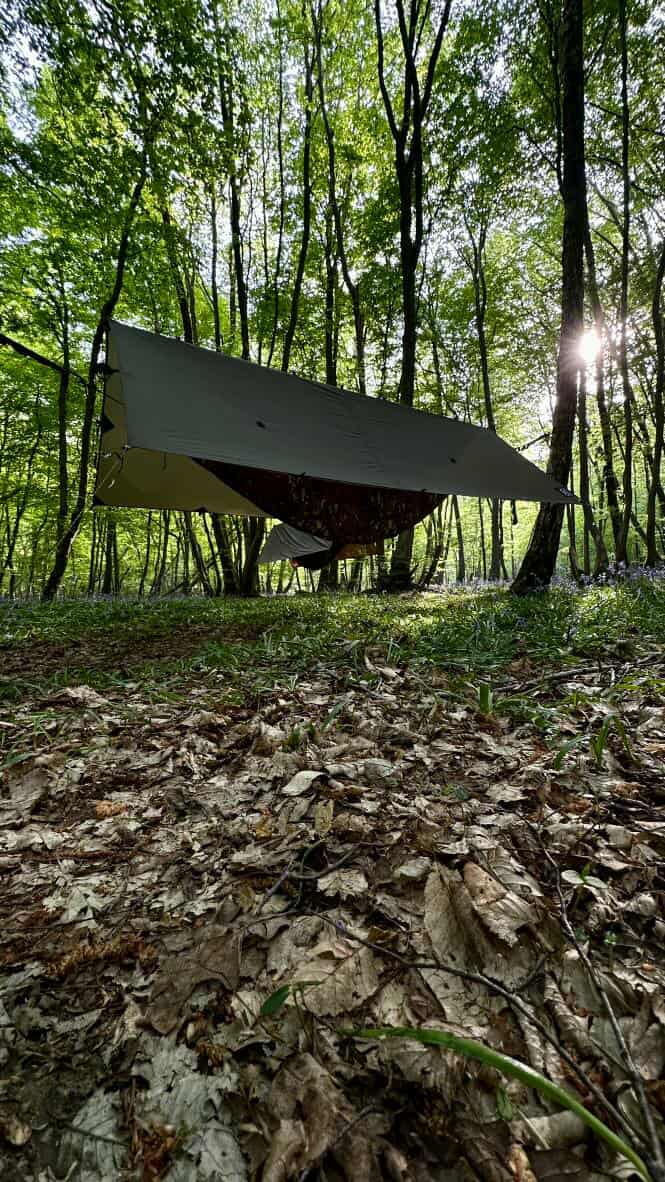
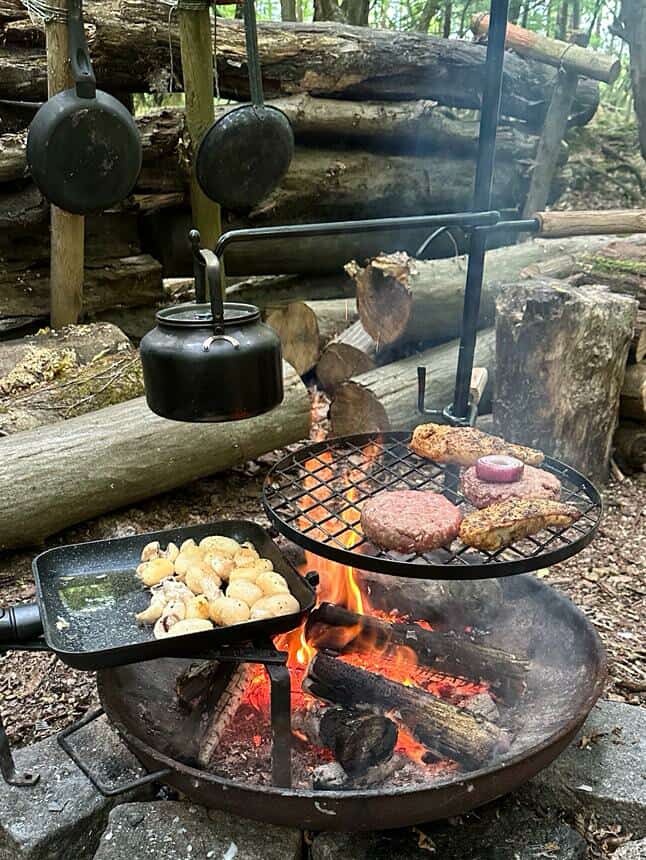
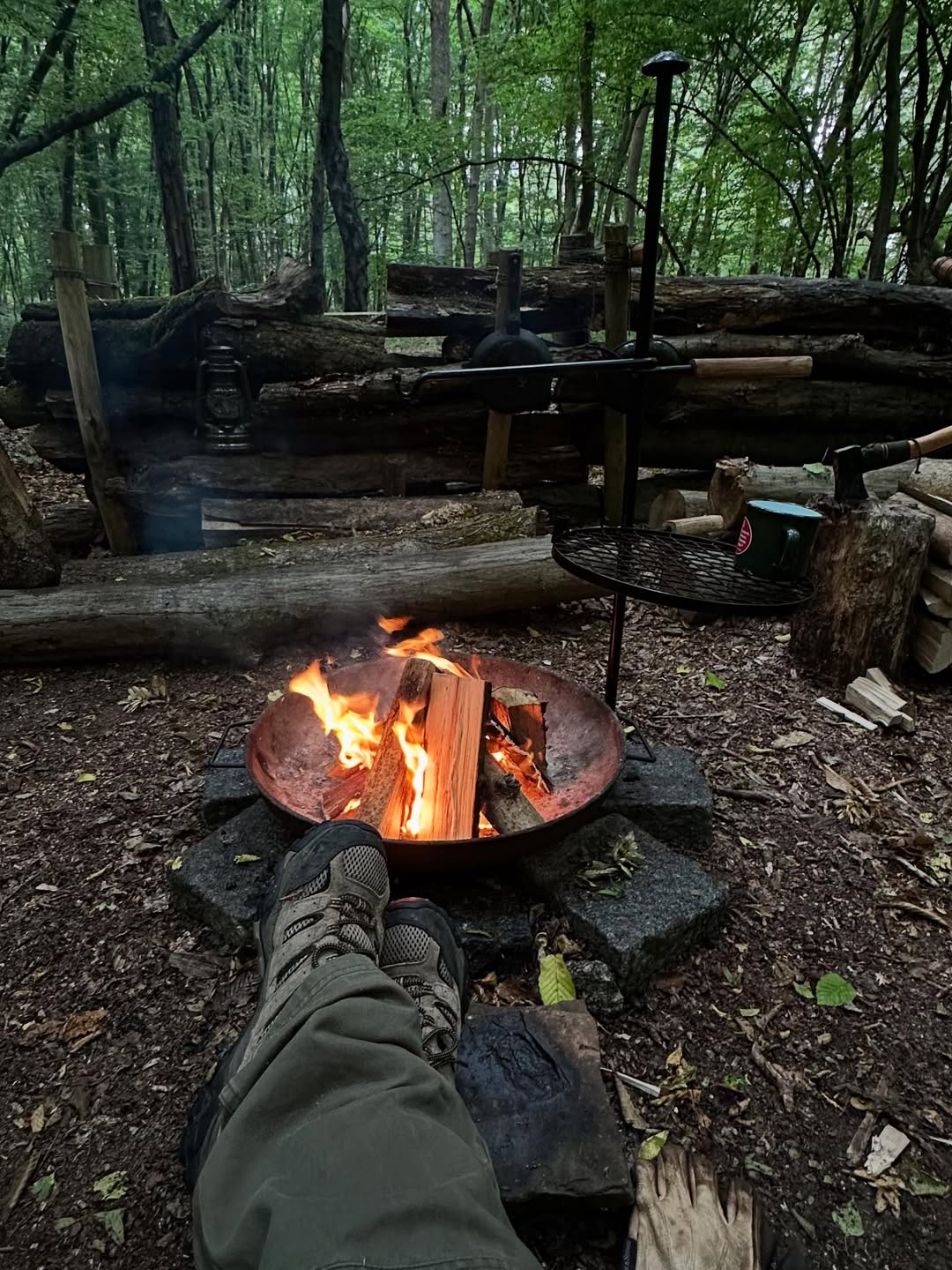
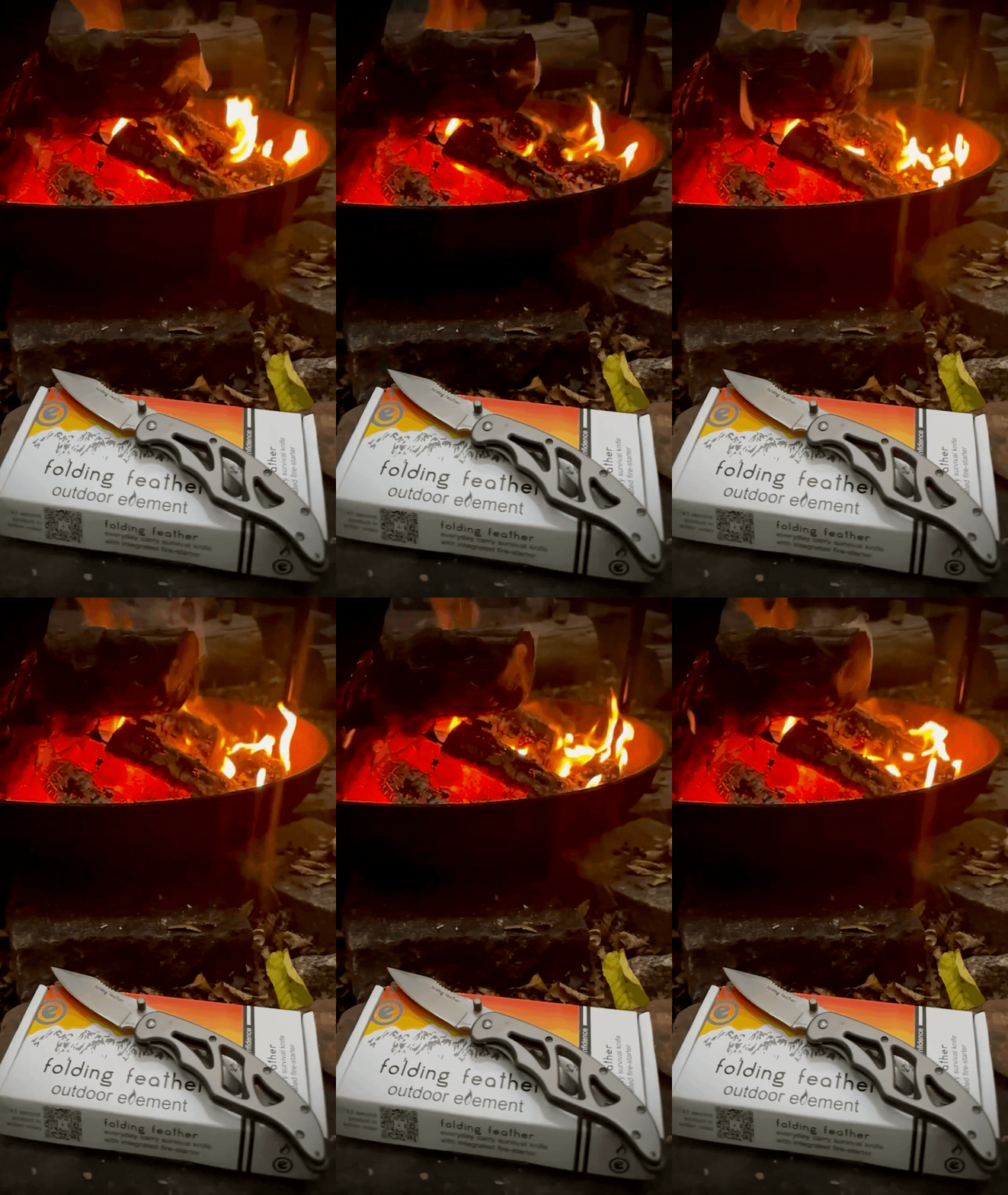
In the UK, Scotland offers the most freedom for wild camping (following the Scottish Outdoor Access Code). Some of my favorite spots include:
Always research local regulations, follow Leave No Trace principles, and camp discreetly.
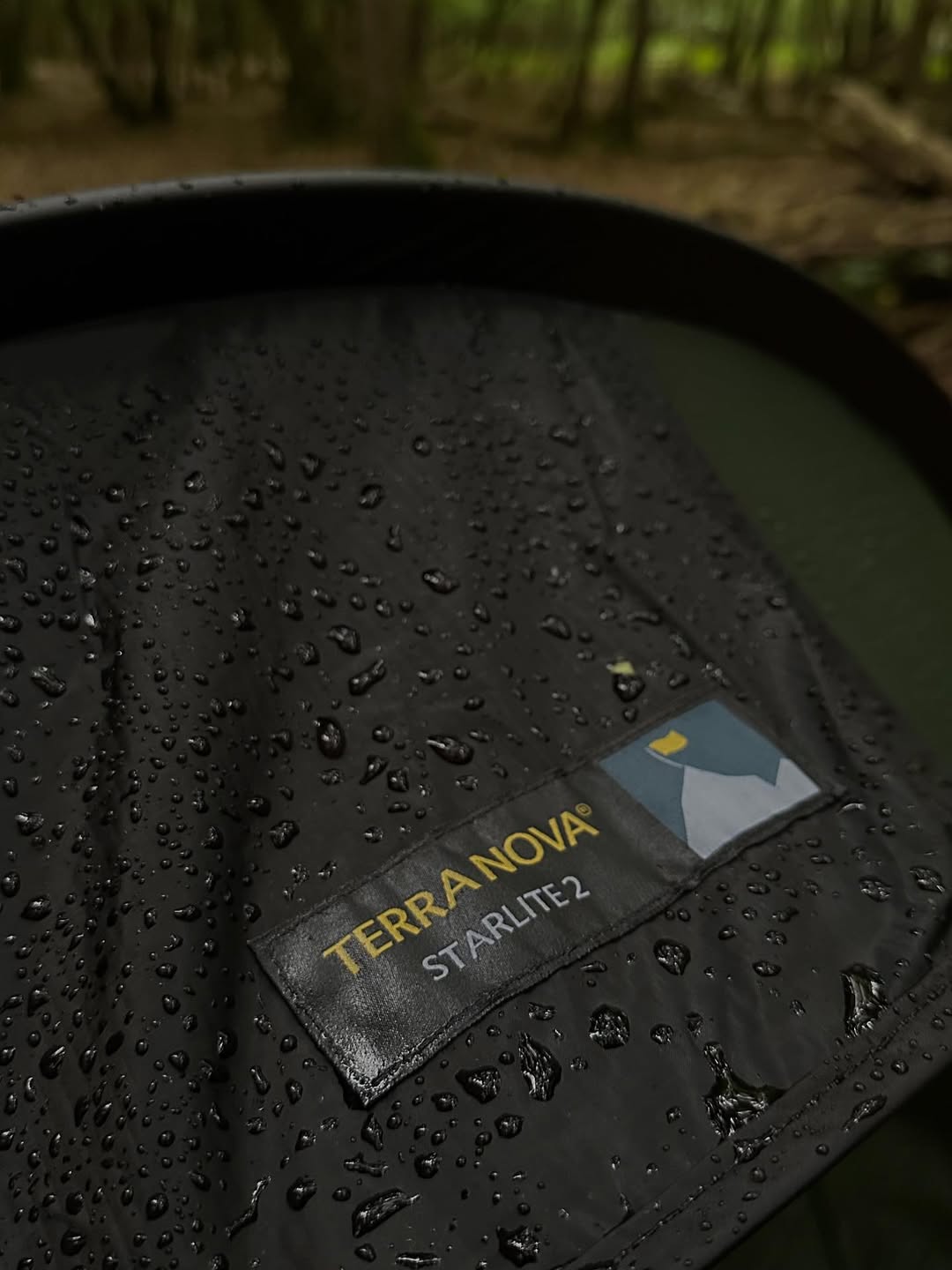
My non-negotiable items for any wild camping trip:
Check my gear guides for detailed recommendations.
Solo camping requires extra precautions:
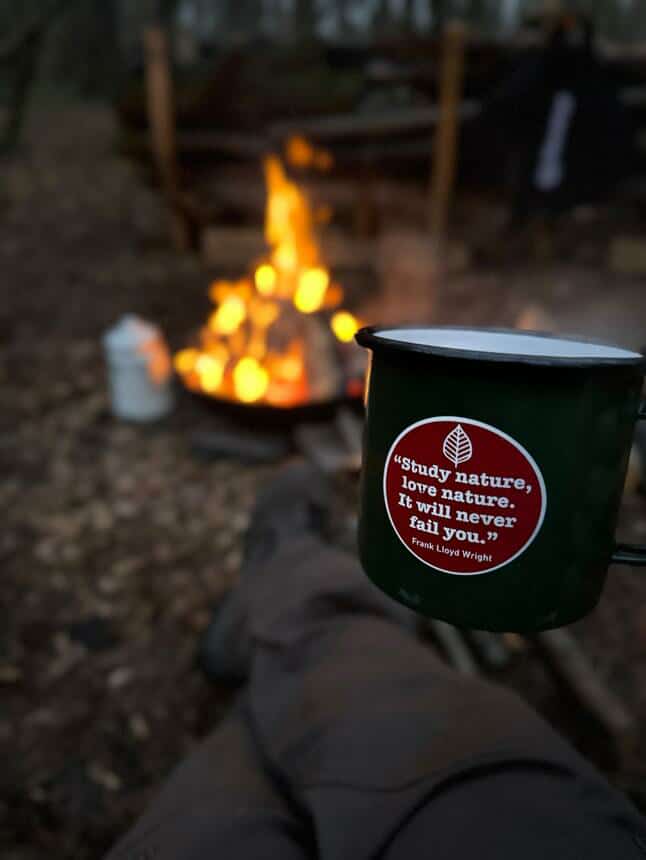
Nature has profound psychological benefits:
Of course, it's not a substitute for professional help when needed, but can be a valuable complementary practice.